 By collaboratewithlinkward@gmail.com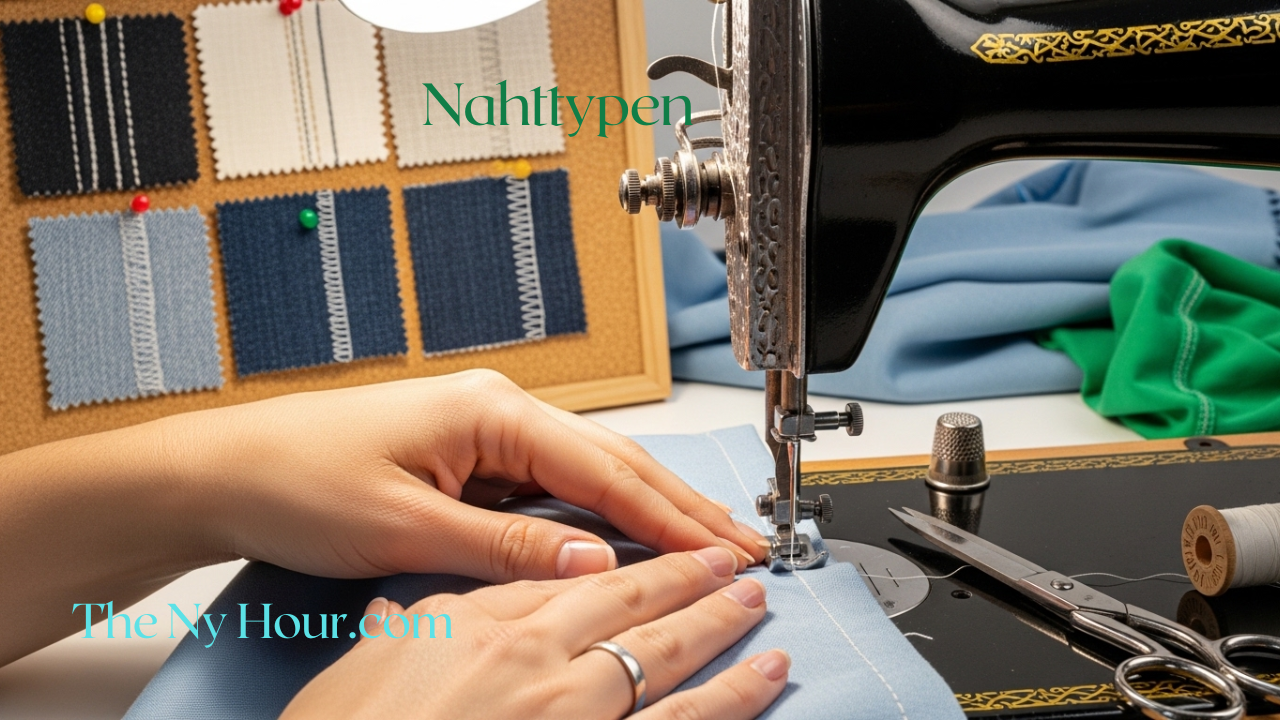
Welcome to the colorful world of sewing, where creativity meets craftsmanship! If you’re an aspiring sewist eager to enhance your skills, understanding nahttypen is your first step toward mastering this art. Seam types and stitching techniques can make or break a project. With so many options available, how do you know which one to choose? Whether you’re patching up old clothes or creating new masterpieces from scratch, knowing the ins and outs of different seams will elevate your work. Let’s dive into the essential techniques that will help you navigate through various nahttypen with confidence and flair!
Mastering Nahttypen: Essential Techniques for Aspiring Sewists
Mastering nahttypen opens up a world of possibilities for any aspiring sewist. Understanding the nuances of different seams can transform your projects, giving them a polished and professional finish. Each seam type serves its unique purpose, enhancing both structure and aesthetics.
Practicing these techniques allows you to become more versatile in your sewing journey. From basic straight stitches to intricate decorative seams, the right choice can elevate your work immensely. Experimentation is key—don’t be afraid to try new styles that suit various fabrics.
As you explore these essential techniques, you’ll develop a deeper appreciation for the art of sewing. This knowledge not only boosts confidence but also inspires creativity in every project you tackle.
Understanding Nahttypen
Nahttypen, or seam types, are the backbone of sewing. Understanding these various stitches is essential for any aspiring sewist. Each nahttyp serves a unique purpose and can dramatically affect your project’s outcome.
Different fabrics require specific seams to ensure durability and aesthetics. For instance, lightweight materials often need delicate finishes, while heavier fabrics might demand stronger stitches. Knowing when to use each type can elevate your sewing game.
As you explore different nahttypen, you’ll discover that they not only provide structural integrity but also enhance the design aspect of your work. Experimenting with seams opens doors to creativity in every project you undertake.
Importance of Choosing the Right Seam for Different Fabric Projects
Choosing the right seam for your fabric project is crucial. Different fabrics have unique characteristics and behaviors, which can influence how they hold up over time. A lightweight fabric may require a more delicate seam, while heavier materials need robust stitching to endure wear.
Furthermore, the chosen seam affects not only durability but also the overall appearance of your finished item. A clean finish enhances professional-looking results. For instance, using a French seam on sheer fabrics conceals raw edges beautifully.
Consider the purpose of your project as well. Garments that undergo frequent movement might benefit from flexible seams like stretch stitches, ensuring comfort without compromising strength.
Different Types of Stitches
When it comes to nahttypen, understanding different types of stitches is essential for any sewist. Each stitch serves a unique purpose and can drastically affect the outcome of your project. For example, straight stitches are perfect for basic seams, while zigzag stitches provide stretch and flexibility.
Decorative stitches add flair to your creations and can enhance the aesthetic appeal of your work. They’re often used on hems or as embellishments on garments.
Specialty stitches like blind hems are invaluable for creating invisible finishes on delicate fabrics. Mastering these various stitch types will elevate your sewing skills significantly, enabling you to tackle more complex projects with confidence.
Tips for Sewing Different Seam and Stitch Types Successfully
When sewing different seam and stitch types, start by selecting the right needle for your fabric. A sharp needle works well for woven fabrics, while a ballpoint needle is ideal for knits. Your choice affects stitch quality significantly.
Adjusting your thread tension can make a world of difference. Too tight or too loose can cause puckering or breakage. Experiment with settings on scrap fabric to find that perfect balance before committing to your project.
Practice proper pinning techniques to keep layers aligned while you sew. Pins should be placed close enough together without distorting the fabric. This will help maintain accuracy as you sew diverse seam types seamlessly.
Factors to Consider When Selecting a Seam Type
Selecting the right seam type involves understanding your fabric’s characteristics. Different fabrics have unique properties, such as stretchiness or thickness. A lightweight chiffon might require a delicate French seam, while denim calls for a sturdy topstitch.
Next, consider the purpose of your project. If you’re making garments that need to withstand wear and tear, opt for seams known for their strength, like flat-felled stitches. For decorative pieces, you may want to explore more intricate options.
Think about the ease of sewing with particular seam types. Some seams are more beginner-friendly than others. Choose one that matches your skill level to ensure a smoother sewing experience.
Creative Uses for Different Stitch Types
Stitch types offer endless creative possibilities beyond basic seams. For instance, a decorative zigzag stitch can add flair to edges while also preventing fraying. It’s perfect for enhancing the aesthetic of simple garments or home décor items.
Consider using embroidery stitches to personalize your projects. Monograms or intricate patterns elevate everyday pieces into unique treasures. They bring a personal touch that makes gifts extra special.
Quilting is another area where varied stitch types shine. Incorporating straight lines and curves creates texture and depth in quilting designs, transforming blankets into works of art. Experimenting with these stitches opens up new avenues for expression in every project you undertake.
Common Mistakes to Avoid in Seam and Stitching
One common mistake is rushing the sewing process. Taking your time allows for precision, which is crucial in achieving clean seams. Hasty stitching can lead to uneven edges and puckering.
Another frequent error involves ignoring fabric types. Using the wrong stitch or seam on specific materials can compromise your project’s integrity. Always consider how different fabrics behave when stitched together.
Neglecting to test stitches before starting a project can be detrimental. A simple test swatch helps you assess tension and stitch appearance on your chosen fabric, ensuring that what works in theory translates well into practice.
Maintenance and Longevity of Seams and Stitches
Maintaining seams and stitches is essential for the longevity of your sewing projects. Regularly inspecting your work helps catch any issues early, preventing larger problems down the line. Look for fraying threads or loose stitches that may require reinforcement.
Washing fabrics according to their specific care instructions also plays a crucial role. Different materials react differently to water, heat, and detergents. Using gentle cycles and cold water can help preserve both fabric integrity and seam strength.
Proper storage is key. Avoid hanging heavy items on delicate fabrics; folding them neatly preserves shape while reducing stress on the seams. Treating your creations with care ensures they last longer and maintain their beauty.
Real-World Applications of Nahttypen
Understanding nahttypen opens up a world of possibilities for sewists. Whether you’re crafting garments, home decor, or accessories, the right seam and stitch can make all the difference in both aesthetics and functionality.
Consider how a flat-felled seam offers durability to jeans while an overlock stitch prevents fraying on delicate fabrics. Each type has its own unique application that enhances your projects.
As you gain confidence with various seams, let your creativity flourish. Explore unconventional uses for stitches; perhaps a decorative zigzag could add flair to simple pillowcases or quilt edges.
Mastering nahttypen is not just about technical skill—it’s also about finding joy in creating something uniquely yours. As you experiment with different techniques, you’ll discover new ways to express yourself through fabric and thread.