 By collaboratewithlinkward@gmail.com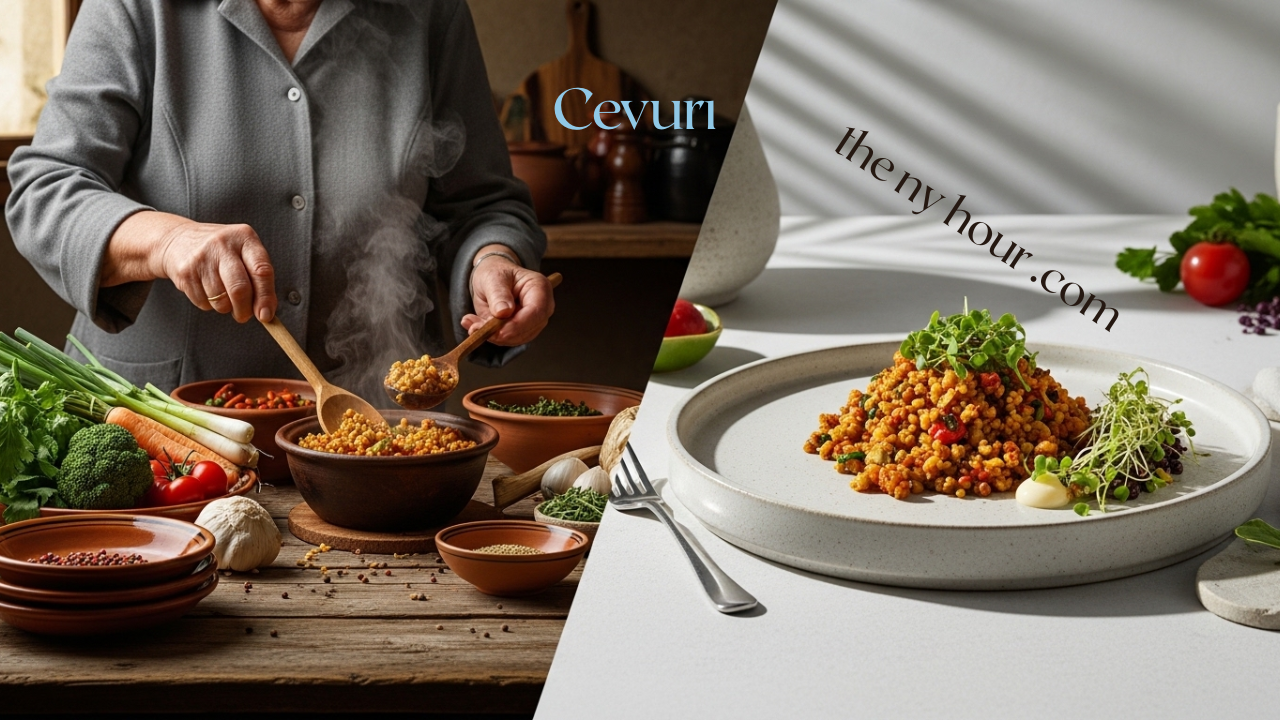
Cevurı is more than just a dish; it’s a journey through culture, tradition, and flavor. As you dive into this culinary marvel, you’ll discover stories woven into every bite. This beloved recipe has stood the test of time while also embracing innovation in modern kitchens around the world. Whether you’re savoring traditional recipes or experimenting with contemporary twists, cevurı invites everyone to join its flavorful celebration. Get ready to explore its rich heritage and learn how this timeless dish continues to evolve!
Cevurı Unveiled: Traditional Recipes and Modern Twists
Cevurı showcases a beautiful blend of ingredients and techniques passed down through generations. Traditional recipes often highlight fresh vegetables, spices, and simple cooking methods. Each region has its own distinct take, making every plate unique.
Modern interpretations are where cevurı truly shines. Chefs today experiment with fusion flavors or incorporate trendy ingredients while staying true to the dish’s essence. This evolution keeps cevurı relevant in contemporary cuisine, inviting food enthusiasts to experience both nostalgia and innovation on their plates.
Understanding Cevurı
Cevurı is a delightful dish that reflects the rich tapestry of cultural heritage. Hailing from various regions, it showcases an array of flavors and textures that capture the essence of traditional cooking.
Typically made with simple ingredients, cevurı can vary greatly depending on local customs. Its versatility allows for countless interpretations, making it a staple in many households. Understanding its origins helps appreciate not just the dish itself but also the stories woven into each recipe passed down through generations.
Heritage and Cultural Significance
Cevurı is more than just a dish; it embodies the rich heritage of communities that have cherished it for generations. Passed down through families, recipes carry stories and traditions that connect people to their roots. Each bite reflects a cultural narrative, making it not only a meal but also an experience steeped in history.
This culinary treasure has played a vital role in various celebrations and gatherings, symbolizing unity and shared joy. Its presence at festive occasions showcases its significance as a bridge between past and present, reinforcing the bonds within families and communities alike.
Ingredients, Variations, and Preparation
Cevurı is celebrated for its diverse ingredients, often varying by region. Traditionally, it incorporates grains like bulgur or rice, aromatic spices, and fresh herbs such as parsley or dill. Vegetables like tomatoes and bell peppers add flavor and freshness to the dish.
Preparation methods can range from simple boiling to more intricate baking techniques. Each cook adds their personal touch, whether through unique spice blends or additional proteins like chicken or lamb. This adaptability allows cevurı to remain a beloved staple across generations while inviting modern interpretations that keep it exciting.
Health Benefits and Nutritional Aspects
Cevurı is not just a delightful dish; it also boasts a range of health benefits. Packed with essential nutrients, it typically includes whole grains, vegetables, and lean proteins. These ingredients contribute to improved digestion and sustained energy levels.
The dish is often low in unhealthy fats while providing vital vitamins and minerals. For those seeking heart-healthy options or weight management solutions, cevurı can fit seamlessly into various dietary plans. Its versatility allows for creative adaptations that retain the nutritional integrity without sacrificing flavor.
From Tradition to Modernity: Cooking Techniques and Interpretations
Cevurı has beautifully evolved from its traditional roots, incorporating innovative cooking techniques. Traditional methods often involve slow-cooking to enhance flavors and textures, allowing the ingredients to meld perfectly.
Modern interpretations now embrace technology with sous-vide and pressure cooking, offering a fresh spin on classic recipes. Chefs experiment with unique spices and contemporary plating styles, presenting cevurı in ways that appeal to today’s palate while respecting its cultural heritage. This fusion of old and new creates an enticing culinary experience for every food lover.
Serving Suggestions and Pairings
Cevurı is a versatile dish that can be enjoyed in numerous ways. Serve it warm as a comforting side, or elevate your meal by pairing it with grilled meats and fresh salads. The rich flavors complement roasted vegetables beautifully.
For a modern twist, consider adding cevurı to gourmet sandwiches or wraps. It makes an excellent filling alongside tangy sauces and crunchy greens. Don’t forget to experiment with dips like yogurt-based sauces or spicy salsas for added depth of flavor. Each pairing brings out the best in this beloved dish.
Exploring the Global Influence of Cevurı
Cevurı has transcended its regional roots, finding a place on tables around the world. Chefs and home cooks alike have embraced its rich flavors and versatility, adapting traditional recipes to suit local tastes. This cultural exchange enriches cuisines globally.
From Mediterranean countries to Asian markets, variations of cevurı are popping up everywhere. Each adaptation reflects unique ingredients and cooking methods, showcasing how this dish can evolve while maintaining its essence. As it spreads across borders, cevurı continues to connect people through shared culinary experiences.
Conclusion: The Enduring Legacy of Cevurı
Cevurı embodies a rich tapestry of flavors and traditions, passed down through generations. Its ability to adapt while retaining its essence speaks volumes about cultural resilience.
As culinary enthusiasts embrace both traditional recipes and modern interpretations, cevurı continues to inspire creativity in kitchens worldwide. This dish not only nourishes the body but also connects us with our heritage, making it a beloved staple across diverse communities.
FAQs
Cevurı often raises questions among food enthusiasts. One common query is, “What does çeviri mean?” In Turkish, it translates to “translation,” yet in this context, cevurı refers to a delightful traditional dish.
Another frequent question is, “Which Translate is correct?” This can be tricky since translations vary based on language and cultural nuances. It’s essential to understand the specific terminology when discussing culinary delights like cevurı. Exploring these terms opens up an enriching conversation about culture and cuisine.
What does çeviri mean?
Çeviri is a Turkish word that translates to “translation” in English. It refers to the process of converting text or speech from one language to another, preserving its meaning and context.
In today’s globalized world, çeviri plays a crucial role in bridging cultural gaps. Whether it’s literature, legal documents, or everyday conversations, effective çeviri fosters understanding between diverse languages and communities. This importance highlights the need for skilled translators who can navigate both linguistic nuances and cultural subtleties.
Which Translate is correct?
When it comes to the term “cevurı,” many may find themselves wondering about its correct translation and usage. In Turkish, “çeviri” refers to translation—an art that bridges languages and cultures. It’s essential to distinguish between culinary terms like cevurı and their general interpretations in language studies. Accurate translations enrich our understanding, especially as we explore dishes laden with cultural heritage.
Whether you’re indulging in traditional cevurı or experimenting with modern variations, knowing the right terminology can enhance your appreciation of this delightful dish. Understanding these nuances not only deepens your culinary experience but also connects you more intimately with the rich history surrounding foods like cevurı. So next time you savor a plate of this beloved delicacy, remember its cultural significance transcends borders through both taste and language.