 By collaboratewithlinkward@gmail.com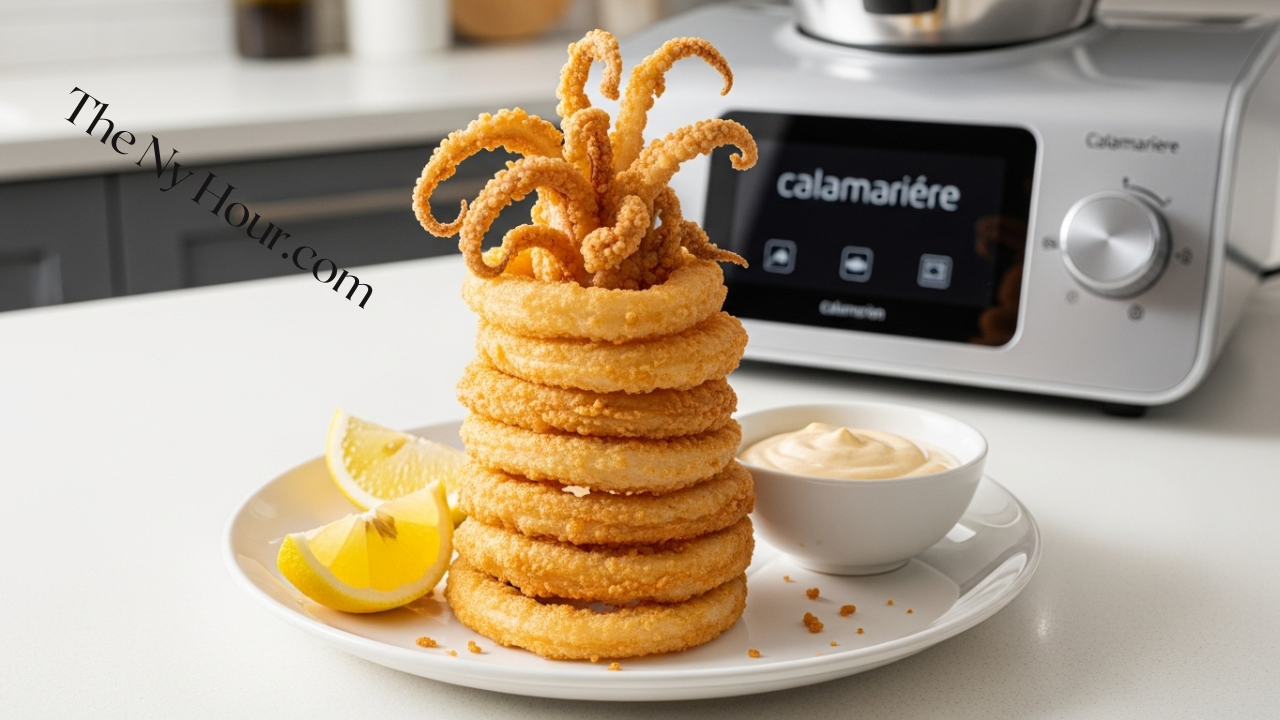
For seafood lovers, few dishes are as universally adored as a plate of perfectly fried calamari. Crisp, golden, and tender, it’s the star of appetizer menus from Mediterranean tavernas to upscale bistros. But have you ever wondered about the magic behind that flawless texture, or the perfect tool for the job? Enter the calamarière—a specialized kitchen device that promises to elevate your home-cooked calamari from good to exceptional. In this comprehensive guide, we’ll dive deep into the world of the calamarière, exploring its function, benefits, and how to use it to create restaurant-quality fried squid in your own kitchen. We’ll also answer all your burning questions about calamari itself.
What is a Calamarière? Unveiling the Secret Weapon
At its core, a calamarière is a dedicated deep-frying appliance designed specifically for cooking squid (calamari). While you can certainly use a standard pot with oil, a calamarière offers distinct advantages. It typically features a cylindrical design with a built-in, lift-out frying basket. The key differentiator is its precise thermostatic control, which maintains the oil at the ideal temperature—a critical factor for achieving that signature crispness without chewiness.
Think of it as a compact, efficient deep fryer optimized for quick-cooking seafood. The term “calamariere” itself hints at its singular purpose, derived from the Italian and French words for squid. For anyone serious about replicating authentic, crispy calamari fritti or calamars à la romaine, this tool can be a game-changer.
Why Temperature is King: The Science of Perfect Calamari
Understanding why a calamarière is effective requires a brief look at the science of frying squid. Squid meat is unique; it contains a high percentage of water and proteins that react dramatically to heat.
-
Too Low (<375°F / 190°C): The squid stews in the oil, releasing its moisture slowly. This results in a soggy, greasy, and incredibly tough, rubbery texture—the classic calamari failure.
-
Too High (>400°F / 205°C): The outside burns almost instantly, leaving the inside undercooked and still tough.
-
The Goldilocks Zone (375°F – 385°F / 190°C – 196°C): At this perfect temperature, the surface moisture vaporizes instantly, creating a protective steam barrier that limits oil absorption. The coating sets quickly into a crisp shell, while the intense heat cooks the squid in 60-90 seconds, making it tender.
A quality calamarière maintains this narrow temperature window effortlessly, even when you add a batch of cold squid. This consistent heat is its primary superpower.
How to Use Your Calamarière: A Step-by-Step Guide to Perfection
Ready to put your calamarière to work? Follow this foolproof process.
Step 1: Selecting and Preparing Your Squid
You can use either whole squid tubes and tentacles or pre-cut rings. Fresh is excellent, but thawed frozen squid works remarkably well. Ensure it is thoroughly patted bone-dry with paper towels. Any surface moisture will cause violent oil splattering and ruin the crispness.
Step 2: The Dredge (To Flour or Not to Flour?)
The classic coating is a light dredge in all-purpose flour. For extra crunch, many chefs use a 50/50 mix of flour and cornstarch, or even rice flour. Season your flour generously with salt, pepper, and perhaps a bit of paprika or garlic powder. Some purists insist on no coating at all for the most tender bite—this is where the calamarière’s perfect fry really shines.
Step 3: Frying with the Calamarière
-
Fill the calamarière with a high-smoke-point oil (like peanut, canola, or sunflower oil) to the indicated line.
-
Set the thermostat to 380°F (195°C) and allow it to preheat fully. The indicator light will tell you when it’s ready.
-
Place your dried, floured squid in the lift-out basket. Gently lower it into the hot oil. Do not overcrowd; fry in small batches.
-
Fry for 60 to 90 seconds only, until pale golden and puffed. The basket allows for easy shaking and quick, safe removal.
-
Lift the basket, let excess oil drip back into the calamarière, then transfer the calamari to a wire rack set over a paper towel. Do not pile them on a plate; the steam will make them soggy. Season immediately with a pinch of sea salt.
Step 4: Serving
Serve your calamari fritti immediately with lemon wedges and your choice of sauce—a simple aioli, marinara, or a creamy tarragon dip.
Benefits of Investing in a Calamarière
-
Consistent Results: Eliminates guesswork, delivering perfect calamari every time.
-
Safety: Enclosed design and a dedicated basket minimize the risks of hot oil splatters.
-
Oil Efficiency: Requires less oil than a large pot and often has a filtration system for reuse.
-
Compact & Purpose-Built: Ideal for small kitchens and focused cooking tasks.
-
Versatility: While designed for squid, it’s excellent for frying other small, quick-cook items like shrimp, zucchini flowers, or small fish.
Beyond the Fryer: Exploring Global Calamari Dishes
Your calamarière is the starting point for a world of squid dishes.
-
Italian Calamari Fritti: The classic. Lightly floured, fried, and served with lemon.
-
Greek Kalamarakia Tiganita: Often served with a skordalia (garlic potato dip).
-
Spanish Calamares a la Romana: Rings dipped in a simple flour-and-water batter for a slightly puffier coating.
-
French Calmars Frits: Similar to the Italian style, a bistro staple.
-
Asian-Inspired Salt & Pepper Calamari: Toss your freshly fried squid from the calamarière in a wok with fried garlic, chili, and Sichuan peppercorns.
Frequently Asked Questions (FAQ) About Calamari
Q1: What exactly is calamari?
Calamari is simply the culinary term for dishes made from squid, specifically from the body (tubes) and arms (tentacles). It most commonly refers to the fried appetizer but can also include grilled, stuffed, or braised squid preparations.
Q2: What is calamari made of?
Calamari is made from the edible parts of squid, a cephalopod mollusk. The main parts used are the hollow, cylindrical body (cut into rings) and the tentacles. It is a lean source of protein, rich in vitamins and minerals.
Q3: What is calamari called in English?
In English, “calamari” is both the specific name for the prepared dish (especially fried squid) and the general term for squid used as food. You can call it “fried squid” or simply “calamari”; the latter is widely understood and used.
Q4: Why is it called calamares?
The word has deep roots. It comes from the Late Latin “calamarium,” meaning “ink pot,” which itself derives from “calamus” (reed pen). This is a poetic reference to the squid’s ink sac, which was historically used as ink. The Italian “calamaro” and Spanish “calamar” directly translate to “squid,” leading to the dish names calamari fritti and calamares a la romana.
Conclusion: Elevate Your Home Cooking
A calamarière is more than just a single-use gadget; it’s a tool that guarantees success and builds confidence in cooking a notoriously tricky seafood. By mastering the control of temperature and time, it unlocks the door to consistently spectacular, crispy, tender calamari that will impress family and guests alike. Whether you’re a seasoned home cook or a seafood enthusiast looking to explore, this dedicated fryer is a worthy addition to your culinary arsenal.